Chimney Liner Installation in Philadelphia, PA
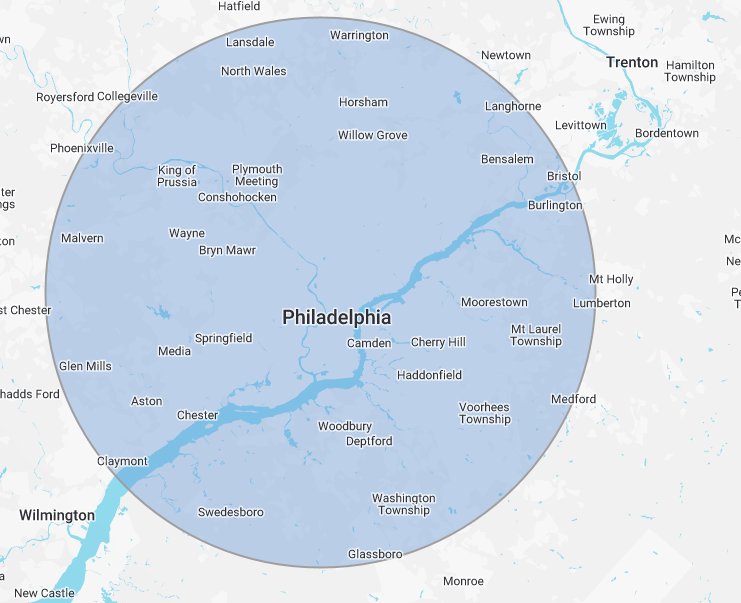
At Chimney Troops in Philadelphia, PA, and surrounding areas, we understand that the safety of your home and family is a top priority. A properly installed chimney liner is essential for improving the efficiency of your chimney and reducing the risk of dangerous chimney fires and carbon monoxide exposure. Our professional chimney liner installation services ensure your chimney operates safely and effectively, giving you peace of mind every time you light a fire. Connect with us.
Why Install a Chimney Liner?
A chimney liner serves as a protective barrier between your chimney’s interior walls and the combustion gases produced by your fireplace or heating appliance. Without a liner, heat and harmful gases can seep into your home, leading to dangerous conditions and costly damage.
Benefits of Installing a Chimney Liner:
Enhanced Safety: A properly installed liner reduces the risk of chimney fires by containing the heat and preventing it from damaging your chimney’s structure.
Carbon Monoxide Protection: A liner helps to prevent dangerous gases, such as carbon monoxide, from leaking into your living spaces, ensuring your home remains safe and healthy.
Improved Efficiency: A well-fitted liner optimizes your chimney’s performance, allowing your fireplace or heating system to operate more efficiently and with better draft.
Extended Chimney Life: By protecting the masonry from corrosive byproducts, a chimney liner prolongs the life of your chimney, reducing the need for costly repairs.
Our Professional Chimney Liner Installation Process
At Chimney Troops LLC, we take pride in providing expert chimney liner installation services tailored to your specific needs. Our experienced technicians ensure that every liner is installed to the highest standards, ensuring maximum safety and efficiency.
Benefits of Installing a Chimney Liner:
Thorough Inspection: We begin with a detailed inspection of your chimney to determine the right liner material and size for optimal performance.
Material Selection: We offer a variety of high-quality liner materials, including stainless steel and clay, to suit different types of chimneys and appliances.
Precision Installation: Our skilled technicians install your chimney liner with precision, ensuring a secure fit that provides long-lasting protection.
Post-Installation Check: After installation, we conduct a final inspection to ensure everything is in perfect working order, giving you confidence in your chimney’s safety.
When Should You Consider a Chimney Liner Installation?
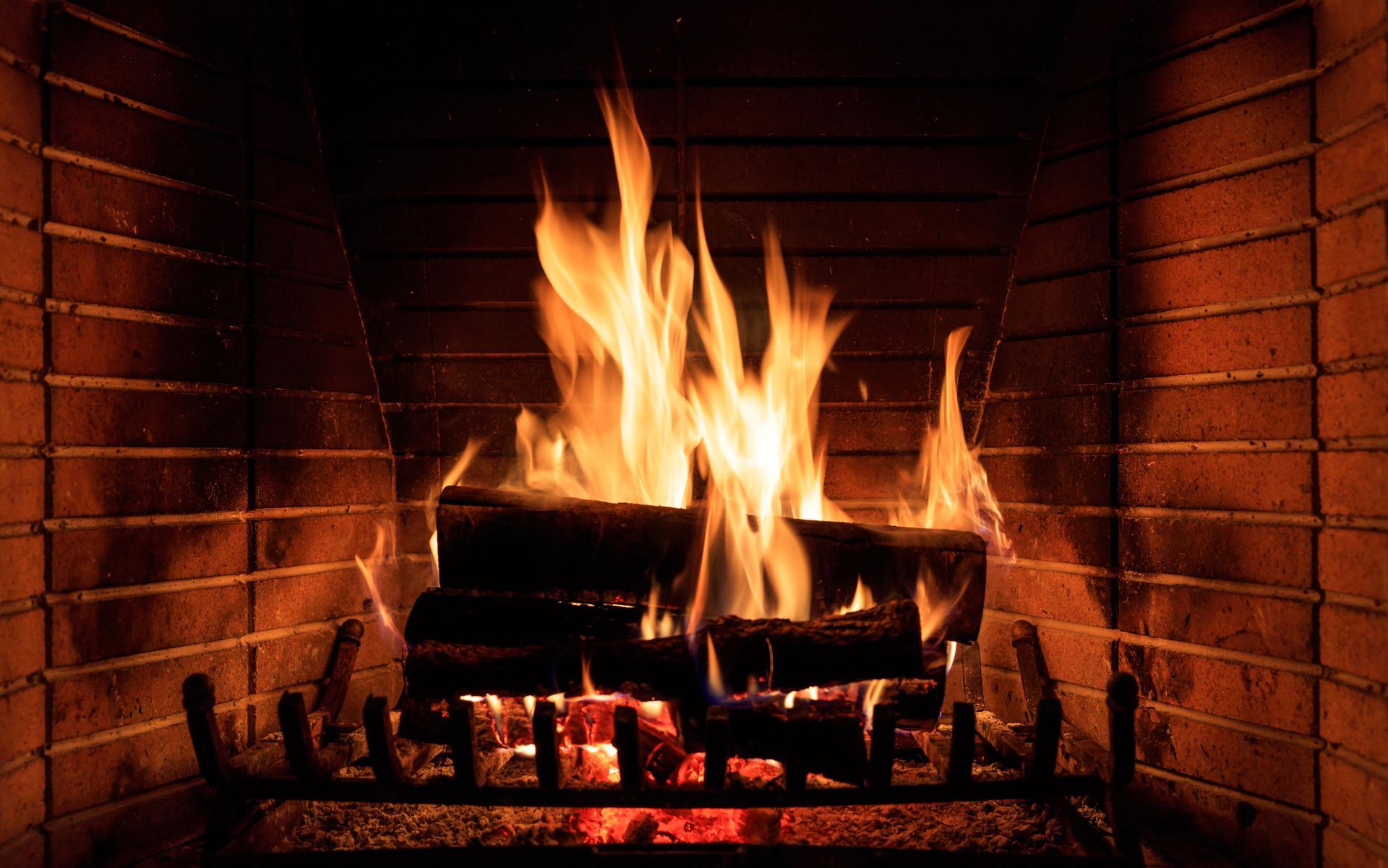
New Fireplace or Appliance: If you’ve recently installed a new fireplace, stove, or furnace, a chimney liner is essential for ensuring proper ventilation and safety.
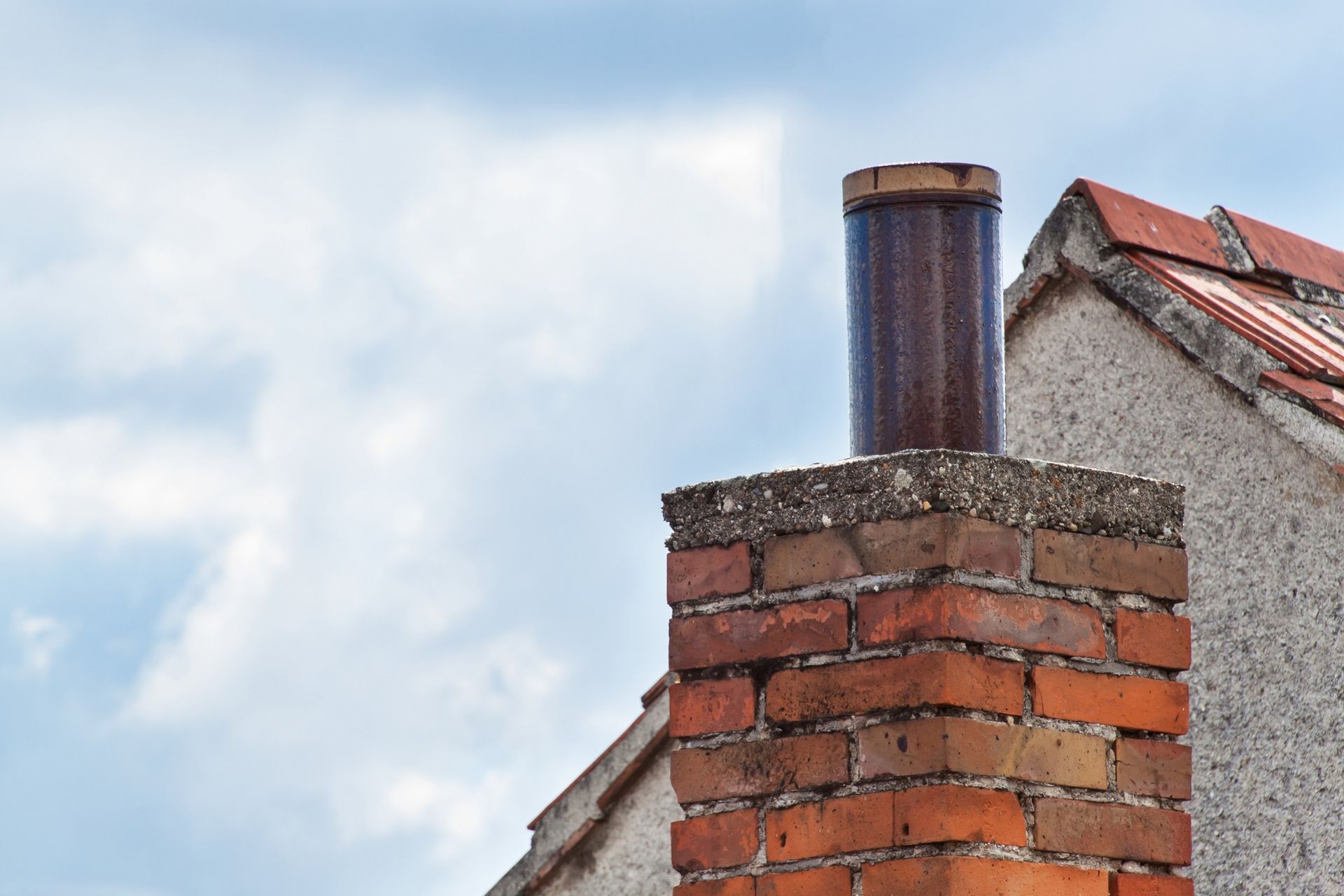
Damaged or Worn-Out Liner: If your existing liner is cracked, corroded, or deteriorating, it’s time to replace it to avoid potential hazards.
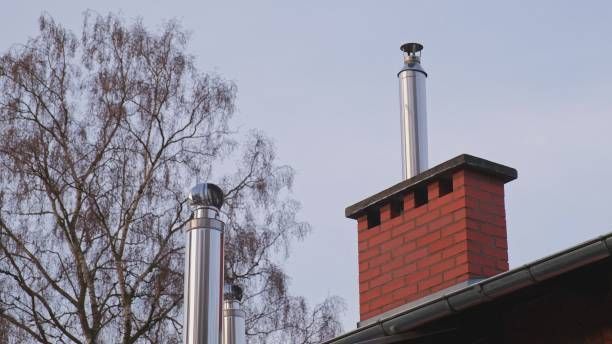
Upgrading Your Chimney: A chimney liner can enhance your chimney’s performance, making it more efficient and reducing the risk of future problems.
Frequently Asked Questions about Chimney Liner Services
How much does a chimney liner cost in Philadelphia?
Chimney liner installation costs depend on chimney height, flue dimensions, roof access, liner material, insulation requirements, and the connected appliance. Removing old tiles or correcting damaged masonry can add to the work.
An installation may include tee connections, a top plate, a cap, insulation, and appliance connection changes. Chimney Troops evaluates the existing system and provides a written estimate describing the recommended
How do I know if my chimney liner is damaged?
Broken flue tile pieces, visible cracks, missing joints, smoke problems, or deteriorated metal can indicate liner damage. Many defects occur out of sight and require interior flue inspection.
A damaged liner can allow heat or combustion gases to escape beyond their intended passage. Chimney Troops uses camera examination of accessible flue surfaces to help identify defects and explain repair or replacement options. If liner damage is suspected, have the system evaluated before using the connected fireplace or appliance.
I converted my fireplace or furnace to gas do I still need a liner?
An appliance that vents through a masonry chimney needs a venting system suitable for that appliance, often including a correctly sized liner. Other gas appliances, such as direct-vent equipment, use their own manufacturer-approved venting arrangements.
Gas exhaust contains water vapor. In an oversized or unsuitable chimney, cooling exhaust can cause condensation and contribute to liner or masonry deterioration. Fuel conversions and equipment replacements require the existing venting to be reassessed.
Chimney Troops considers appliance specifications, chimney dimensions, and installation requirements before recommending a liner. Gas logs, furnaces, and boilers do not all use the same venting solution.
What is the difference between stainless steel cast in place and clay tile chimney liners?
Stainless steel liners use metal components, cast-in-place liners form a continuous passage within the chimney, and clay tile liners use individual ceramic sections. Suitability depends on the appliance, chimney construction, and system condition.
Stainless steel liners are commonly used to reline existing masonry chimneys. Their alloy, size, insulation, and installation must suit the intended fuel and appliance.
Cast-in-place systems use specialized material and installation methods to form a continuous flue passage. Their suitability and any structural benefits depend on the particular system and chimney.
Clay tile liners are commonly installed during masonry chimney construction. Tiles and joints may deteriorate or crack, requiring evaluation and repair or relining.
Chimney Troops specializes in stainless steel liner installation and can explain whether that approach is appropriate for your property.
How long does a chimney liner last?
A properly selected and installed stainless steel liner can provide decades of service, but its actual lifespan depends on fuel, appliance operation, maintenance, and exposure to corrosive exhaust or chimney fires.
Clay liners can also remain in service for many years when tiles and joints stay sound. Age alone does not determine whether a liner is suitable for continued use. Chimney Troops recommends annual inspection to identify deterioration and maintenance needs. Follow the liner manufacturer's operating and maintenance instructions as well as any warranty requirements.
How long does a chimney liner installation take?
A straightforward stainless steel chimney liner installation can often be completed in one working day. Tile removal, difficult access, obstructions, insulation work, connection changes, or masonry reconstruction may take longer.
Chimney Troops evaluates the existing system before confirming the installation scope and schedule. Required rebuilding and structural masonry repairs are completed first; the liner is installed afterward. We explain any related repair work and operating requirements before the system returns to service.
Is a chimney liner required by code?
Masonry chimneys serving appliances generally require an approved lining suitable for the application. The applicable building code, appliance instructions, and chimney or liner system requirements determine the acceptable installation.
The International Residential Code and NFPA 211 address chimney lining and venting, but the locally adopted rules and system configuration must be checked for each project. An existing liner may need repair or replacement when damaged or incompatible with new equipment.
Chimney Troops evaluates flue condition and appliance requirements before recommending work. Direct-vent and other specialized appliances may use different approved venting systems rather than a traditional masonry chimney liner.
Do you warranty the liner and the installation?
Yes. Chimney Troops offers written warranties on qualifying stainless steel liner installations. Workmanship coverage from Chimney Troops and any manufacturer material warranty have separate terms.
Your written agreement identifies the installed product, covered work, warranty period, maintenance requirements, and exclusions. Chimney fires, unsuitable appliance operation, unauthorized modifications, or structural movement may fall outside coverage, depending on the applicable terms. Ask us to review both installation and manufacturer coverage before approving your project.
Ready to improve your chimney’s safety and efficiency? Contact Chimney Troops LLC today to schedule your chimney liner installation!